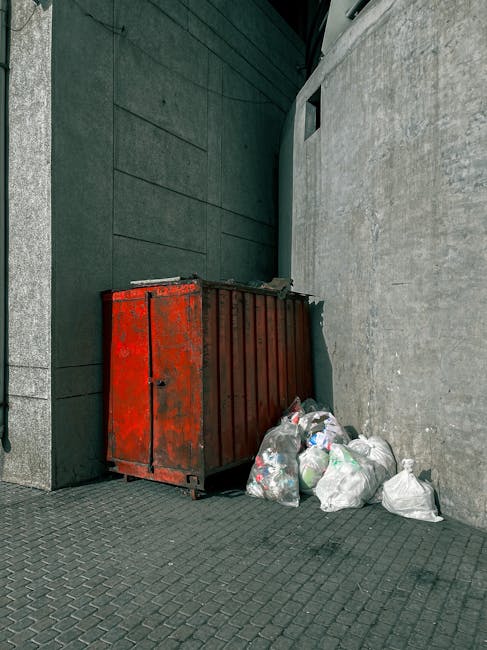
Deptford Creek rubbish disposal tips for riverside homes
Living near Deptford Creek has its perks: the water, the light, the sense that you're tucked into a part of London with a bit of character. But rubbish near the river is another story. Wind pushes lightweight waste into awkward corners, tide and damp can make bags split, and shared access routes often mean one person's "I'll deal with it later" becomes everyone's headache. If you've been looking for practical Deptford Creek rubbish disposal tips for riverside homes, this guide is for you.
Below, you'll find a clear, local-minded approach to keeping rubbish under control, avoiding common mistakes, and deciding when a simple household clean-up is enough versus when a more organised clearance makes life easier. To be fair, most problems near riverside properties are preventable with a bit of routine. The tricky part is knowing which routine actually works.
We'll cover storage, sorting, bulky items, moisture control, shared-bin etiquette, compliance basics, and the small things that make a big difference when your home is exposed to wind, foot traffic, and the odd muddy delivery day. Nothing fancy. Just useful, real-world advice.
Why Deptford Creek rubbish disposal tips for riverside homes matters
Riverside homes around Deptford Creek face a different kind of rubbish problem from a standard street property. The environment itself works against neatness. Gulls pick at open bags, rain softens cardboard, breeze shifts loose wrapping, and access can be awkward if your home is on a narrow lane, gated development, or shared pathway. What looks tidy at 8am can look very different by evening.
There's also the practical side. Waste left out too early can attract pests and create smells, especially in warmer months. If it's a wet day, soggy packaging gets heavier and harder to move. If items are left in the wrong place, they can block fire exits, shared entrances, cycle paths, or bin store doors. A bit of sloppiness quickly becomes a nuisance for neighbours, and nobody wants that reputation.
For riverside residents, good rubbish disposal is not just about appearances. It's about keeping pathways clear, preventing litter from entering the water, reducing clean-up costs, and protecting your own time. One overflowing bin bag can turn into ten small problems. That's the honest truth.
There's a wider community effect too. Fly-tipped mattresses, broken furniture, and loose black bags near waterside routes can make the area feel uncared for. And once that starts, it tends to snowball. People notice when waste is unmanaged, and so do prospective buyers or renters. A clean exterior really does shape how a place feels.
Key takeaway: Riverside waste needs a more deliberate system than standard household rubbish. If you store, separate, and move waste with the weather and access in mind, you avoid most of the hassle before it starts.
How Deptford Creek rubbish disposal tips for riverside homes works
At a practical level, rubbish disposal for Deptford Creek homes works best when you think in stages: what comes into the property, what gets sorted, where it is stored, how long it stays there, and how it leaves the site. That sounds almost too simple, but it is the framework that keeps everything under control.
First, identify the waste streams you deal with most often. For many riverside households, that means general rubbish, dry mixed recycling, cardboard, food waste, garden waste if there is outdoor space, and occasional bulky items. Each one behaves differently. Cardboard absorbs moisture. Food waste smells quickly. Soft plastics tear easily. Heavy items need safer handling. A one-size-fits-all pile never works very well.
Second, think about the route waste takes through your home or building. In a flat, that might mean stairwells, lifts, bin stores, or shared courtyards. In a house, it may involve side access, front steps, or a narrow path with limited turning space. The easier the route, the more likely the system will actually get used. People often blame "lack of time", but truth be told it is often a design problem.
Third, plan collection timing carefully. If bags sit out overnight beside the creek or in an exposed spot, wind becomes your enemy. In the morning there's a neat row of bags; by lunchtime one has split, and somehow a bit of packaging has made its way under the hedge. Annoying, yes. Avoidable, absolutely.
Lastly, decide when to use a standard bin collection, a household tip run, or a professional clearance. That decision should be based on volume, weight, access, time, and risk. If you're handling furniture, mixed junk, or a large spring clean, a coordinated approach usually saves time and reduces the chance of accidental damage.
Key benefits and practical advantages
Good rubbish disposal habits don't just keep a property tidy. They change how the whole place functions. The benefits are often small at first, then suddenly very obvious once you've lived with them for a while.
- Cleaner external areas: No cluttered entrance, no drifting wrappers, no bags leaning awkwardly in a shared corner.
- Less smell and mess: Especially helpful if bins are near windows, doors, or enclosed courtyards.
- Lower pest risk: Well-sealed waste is much less attractive to insects and rodents.
- Fewer neighbour disputes: A tidy system reduces the "whose bag is that?" argument that tends to appear at the worst moment.
- Safer access: Clear walkways matter for children, older residents, deliveries, and emergency access.
- Better recycling results: Sorted materials are easier to dispose of properly and with less contamination.
There is also a financial angle. If rubbish is mixed haphazardly, you can end up making extra trips, paying more for disposal, or wasting effort moving items twice. That is the kind of inefficiency that quietly eats up a weekend. Nobody needs that.
And for riverside homes specifically, tidy waste handling helps protect the water environment around Deptford Creek. Loose rubbish is exactly the kind of thing that can blow, wash, or roll into places it should not be. One small habit can stop that.
Who this is for and when it makes sense
This guidance is especially useful if you live in a riverside flat, terraced house, converted warehouse, or new-build home near the creek where storage space is limited and access is shared. It also makes sense for landlords, managing agents, and residents' associations who want fewer complaints and less friction around bin storage.
You may need a tighter rubbish routine if any of the following sound familiar:
- your bins fill up faster than collection days allow
- cardboard and packaging get damp before pickup
- you share bin stores with neighbours and waste gets mixed
- you are clearing a property after renovation, tenancy change, or decluttering
- you have awkward access, such as narrow side alleys or stairs
- you've had problems with fly-tipping nearby
If you only generate a small amount of waste each week, the answer may simply be better sorting and timing. If you are dealing with bulky furniture, old appliances, broken wardrobes, or garden waste after a tidy-up, a more structured clearance approach may be the sensible move. Not dramatic, just practical.
Riverside homes can also be more exposed to weather. If you have ever stepped outside on a windy morning and found packaging behaving like a rogue paper aeroplane, you'll know exactly why this matters. Why make life harder than it needs to be?
Step-by-step guidance
Here is a simple system that works well for Deptford Creek homes. It is not glamorous. It does work.
- Audit your waste for one week. Notice what you throw away most often. Packaging? Food waste? Bottles? Old papers? The pattern tells you what kind of storage you need.
- Create clear sorting zones. Even if your space is tiny, separate general waste, recycling, and bulky items. Use labelled bags or stackable containers if bins are limited.
- Keep anything light and loose indoors. Plastic film, polystyrene, paper, and cardboard should not be left exposed near the water or by an open gate.
- Flatten boxes immediately. This saves space and makes damp cardboard less likely to burst open later.
- Use lidded bins or sealed containers where possible. It is one of the simplest ways to reduce smells and prevent pests.
- Move waste to the external bin area as late as practical. In exposed riverside settings, timing matters more than people think.
- Schedule bulky item removal before it becomes a pile. One chair is manageable. Five bits of broken furniture somehow become a mission.
- Check access routes before disposal day. Make sure gates, lifts, stairs, and communal doors are clear so waste can be removed safely.
- Separate reusable items from actual waste. Good-condition items can often be passed on, which is better than sending them straight to disposal.
- Finish with a quick sweep. Small debris, tape, and loose packaging are what make a space look messy even when the main waste is gone.
That final sweep sounds minor, but it makes a real difference. A clean path, a closed bin lid, and no stray bits underfoot - suddenly the whole place feels under control again.
Expert tips for better results
After you've handled enough household waste, a few patterns become obvious. The best tips are rarely complicated. They just save you from the same avoidable headaches over and over.
Choose storage that resists weather. Riverside homes benefit from bins with secure lids and containers that do not warp when damp. If something can blow open, it probably will. That is just how it goes on a breezy day by the creek.
Use smaller bags for heavier waste. Overfilled sacks are more likely to split during lifting or when dragged across rough ground. Split bags are the enemy. One messy tear can undo a lot of good behaviour.
Keep a "take out" box for odd waste. Batteries, broken hangers, small electronics, and miscellaneous items often get forgotten because they do not fit neatly into one bin stream. A dedicated box helps you gather them until you can dispose of them correctly.
Protect cardboard from moisture. If you have to store it briefly outside, cover it or keep it under shelter. Wet cardboard takes up more room and is much harder to handle cleanly.
Think in terms of flow, not just storage. The easiest system is the one people will actually use. If your setup requires too many steps, it will fall apart on a busy evening.
Be realistic about bulky waste. A sofa, mattress, broken shelving, or large appliance may need a separate arrangement. Don't keep moving it from room to room like an unwanted guest.
Keep doors and shared spaces tidy. In buildings with communal access, one person leaving waste in the wrong place can create tension quickly. A small bit of consideration goes a long way.
One more thing. If you are unsure whether an item belongs in recycling, general waste, or a special collection stream, don't guess if you can avoid it. Guessing is how contamination happens, and contamination makes everyone's job harder.
Common mistakes to avoid
Most rubbish problems near Deptford Creek come from a short list of mistakes. Some are obvious. Some sneak up on you because they seem harmless in the moment.
- Leaving bags out too early: Wind, birds, and rain can turn a neat pile into a mess before pickup.
- Overfilling bins: Lids should close properly. If they do not, animals and weather will take advantage.
- Mixing recycling with general waste: It may seem like a small shortcut, but it undermines the whole process.
- Ignoring hidden waste: Bits behind cupboards, under balconies, or in side passages eventually build up.
- Storing damp cardboard too long: It gets heavy, soft, and unpleasant fast.
- Blocking shared access routes: This is one of the quickest ways to annoy neighbours and create safety issues.
- Putting hazardous items in normal bins: Things like chemicals, paints, batteries, and sharp objects need special care.
There is also the classic mistake of assuming "someone else will sort it." In communal settings, nobody really wants to be that person. And then, strangely enough, everyone complains about the same overflowing bin store.
A small, disciplined routine beats a big clean-up every time.
Tools, resources and recommendations
You do not need a van full of equipment to manage waste well. A few simple tools can make the whole process smoother, safer, and less irritating.
- Lidded wheelie bins or sealed containers: Best for reducing smells and keeping rubbish contained.
- Heavy-duty refuse sacks: Better for awkward or slightly sharp items, though they still need sensible loading.
- Stackable boxes: Useful for sorting recyclables, paperwork, or occasional odds and ends.
- Reusable gloves: Helpful when handling bulky or rough items.
- Dolly or sack truck: Handy for moving heavier objects if your access allows it.
- Labels or coloured tape: Simple but surprisingly effective for shared storage areas.
- Door mats and dust sheets: Good for preventing dirt from spreading when carrying waste through the home.
If you are comparing disposal support, it helps to look at practical extras as well as the obvious service itself. For example, some people only think about the removal day and forget about insurance, safety, payment reassurance, or sustainability practices. Those details matter when rubbish involves stairs, shared access, or heavy objects. If you want to understand how those trust factors are presented, the site's insurance and safety information and recycling and sustainability approach are sensible places to start.
If you are planning a bigger clearance, you may also want to review pricing and quotes so you know what to expect before committing. No one enjoys surprises on a disposal day, especially if the lift is small and the hallway is already full.
Law, compliance, standards and best practice
For riverside homes in London, the main compliance principle is straightforward: waste should be stored, sorted, and handed over responsibly, with care taken not to create nuisance, danger, or litter. The exact rules and collection arrangements can vary depending on building management, local collection schedules, and the type of waste involved, so it is always wise to check the specific arrangements that apply to your property.
From a best-practice point of view, a few standards are worth keeping in mind:
- Do not obstruct shared access: hallways, exits, and communal paths should stay clear.
- Keep waste contained: loose materials increase the risk of litter and contamination.
- Separate special items carefully: sharp, heavy, or potentially hazardous items need more attention.
- Use a traceable, reputable disposal route: especially when a job is larger than a normal household tidy-up.
- Respect neighbour and building rules: bin-store etiquette matters in dense riverside developments.
If a contractor is involved, you should expect them to handle waste responsibly and with proper care for access, lifting, and site cleanliness. It is fair to ask questions before work begins. In fact, you should. A good operator will not mind.
For general trust and process clarity, you can also review the site's health and safety policy, terms and conditions, and privacy policy. They help set expectations around how enquiries, bookings, and service standards are handled.
Options, methods and comparison table
Different disposal methods suit different situations. A small weekly tidy-up does not need the same approach as a post-renovation clear-out. Here's a simple comparison to help you decide.
| Method | Best for | Pros | Limitations |
|---|---|---|---|
| Routine household bin use | Regular domestic waste and recycling | Simple, low effort, fits everyday life | Not suitable for bulky or high-volume items |
| Staged home sort and bag-out | Decluttering, seasonal clean-ups, small clear-outs | Good control, easy to manage in stages | Requires time and space for sorting |
| Bulky item collection | Furniture, white goods, mattresses, broken items | Efficient for larger objects | Needs access planning and scheduling |
| Professional clearance | Large volumes, awkward access, mixed waste | Saves time, reduces lifting and multiple trips | More involved than a simple bin run |
For most Deptford Creek homes, the sweet spot is a combination of routine bin use and occasional staged clear-outs. If a loft, spare room, or under-stairs cupboard has become a magnet for "I'll deal with it later" items, that is often when a more structured solution starts to pay off.
Case study or real-world example
Here's a realistic example from a riverside-style home, without dressing it up too much. A household in a compact two-storey property near a waterside access route had a familiar problem: recycling was getting mixed with general waste, flattened boxes were being left in the garden overnight, and a broken chest of drawers had sat in the hallway for nearly two weeks because nobody wanted to wrestle it down the narrow stairs.
Nothing dramatic. Just the usual slow creep of clutter.
The fix was simple, though. They created a small indoor sorting point with three labelled containers, stopped putting cardboard outside until the evening before collection, and booked a separate removal for the furniture once it was clear the item was too awkward to move safely by hand. The hallway immediately felt bigger. The bin area stopped smelling quite so stale. And, maybe most importantly, nobody had to step over that drawer carcass on the way to the kitchen anymore.
What changed wasn't just the disposal method. It was the decision to treat waste as a system rather than a nuisance. That shift is often the difference between constant friction and a home that runs smoothly.
Practical checklist
Use this checklist before collection day or before a bigger clean-up.
- Sort waste into general, recycling, and bulky categories
- Flatten cardboard and keep it dry
- Seal bags securely and avoid overfilling them
- Keep bins and containers lidded where possible
- Remove loose litter from balconies, steps, and entrance areas
- Plan the shortest, safest route from storage point to collection point
- Check that communal access routes are left clear
- Separate reusable items from true waste
- Keep hazardous items out of ordinary rubbish
- Book extra help for bulky or heavy loads if needed
- Do one final sweep for tape, packaging, and stray debris
If you can tick most of those off, you're already ahead of the curve. And if you can only manage half this week, that's still better than none. Progress is progress.
Conclusion
Deptford Creek rubbish disposal tips for riverside homes come down to one core idea: make waste easier to contain, easier to move, and harder to forget. A bit of planning protects your home from mess, smell, pests, neighbour friction, and the very real nuisance of rubbish getting blown or dragged into the wrong place.
The good news is that you do not need a huge overhaul to see results. A clearer sorting routine, better timing, stronger containers, and a realistic approach to bulky items can transform how a riverside home feels day to day. Small changes. Big payoff.
If your waste is starting to pile up, or you simply want a tidier, calmer way to manage it, taking action now is the sensible move. Future-you will be grateful, honestly.
Get a free quote today and see how much you can save.
And if you want to learn more about how the business handles standards, service expectations, and support information, you can also visit about us or contact us for the next step. Sometimes the cleanest solution is also the easiest one to start.
Frequently Asked Questions
What is the best way to manage rubbish near Deptford Creek?
The best approach is to sort waste early, keep it covered, move it out as late as possible before collection, and separate bulky items from everyday rubbish. Riverside conditions make timing and containment especially important.
How do riverside homes stop rubbish blowing away?
Use lidded bins, secure bags properly, flatten lightweight packaging, and avoid leaving waste outside overnight unless it is safely contained. Wind off the water can lift even small items very quickly.
Can I leave cardboard outside by the bin store?
Only if it is dry, flattened, and protected from rain and wind. Damp cardboard becomes messy fast and is much harder to handle. If possible, keep it indoors until collection day.
What should I do with bulky furniture from a flat near the creek?
Plan removal in advance and make sure access routes are safe and clear. Large furniture is easier to handle when it is scheduled rather than left sitting in a hallway or communal area.
How often should rubbish be taken out in a riverside property?
That depends on how much waste you produce and how exposed your property is. In many riverside homes, it helps to take rubbish out later and more frequently rather than letting it build up outdoors.
What are the most common rubbish problems for Deptford Creek homes?
The usual problems are wind-blown litter, damp packaging, overflowing bins, awkward access routes, and mixed waste in communal stores. They all sound small on their own, then add up quickly.
Is it worth separating recycling more carefully in a shared building?
Yes. Shared buildings often suffer most from contamination, because one mixed bag can affect everyone's bin area. Clear labelling and simple sorting habits help a lot.
What should I avoid putting in normal household bins?
Sharp items, chemicals, paint, batteries, and other potentially hazardous materials should not go into ordinary bins. They need special handling or a separate disposal route.
When does professional clearance make more sense than bin disposal?
It makes sense when you have a lot of waste, awkward access, heavy items, or a deadline to work to. If you are juggling stairs, shared spaces, and bulky furniture, a professional approach often saves time and stress.
How can I keep my bin area smelling better in summer?
Close lids tightly, avoid overfilling, remove food waste promptly, and keep the area clean and dry where you can. Heat makes smells more noticeable, so consistency matters.
Can rubbish disposal help prevent pests near the creek?
Yes. Sealed bins, regular emptying, and clean storage areas reduce the chance of attracting insects and rodents. Open bags and food residue are the main things to watch.
What is the simplest rubbish routine for a busy household?
Keep three zones: one for general waste, one for recycling, and one for bulky or special items. Sort as you go, then remove waste late on the day before collection. Simple, but effective.