The Various Types of Waste Harnessed for Renewable Energy
In our modern world, the shift towards renewable energy is more crucial than ever. One of the exciting and sustainable avenues for generating clean power is through the use of waste. Harnessing energy from waste not only provides an abundant source of power but also tackles the escalating issue of waste management. Here, we explore the various types of waste that can be transformed into renewable energy.
1. Organic Waste
Organic waste, commonly referred to as biodegradable waste, includes materials such as food scraps, yard trimmings, and agricultural residues. These can be converted into energy through processes like anaerobic digestion and composting.
- Anaerobic Digestion: This process involves the breakdown of organic matter by microbes in the absence of oxygen, producing biogas that can be used for electricity and heat.
- Composting: While primarily aimed at producing nutrient-rich soil amendments, composting can also be harnessed for biogas production under controlled conditions.
2. Municipal Solid Waste (MSW)
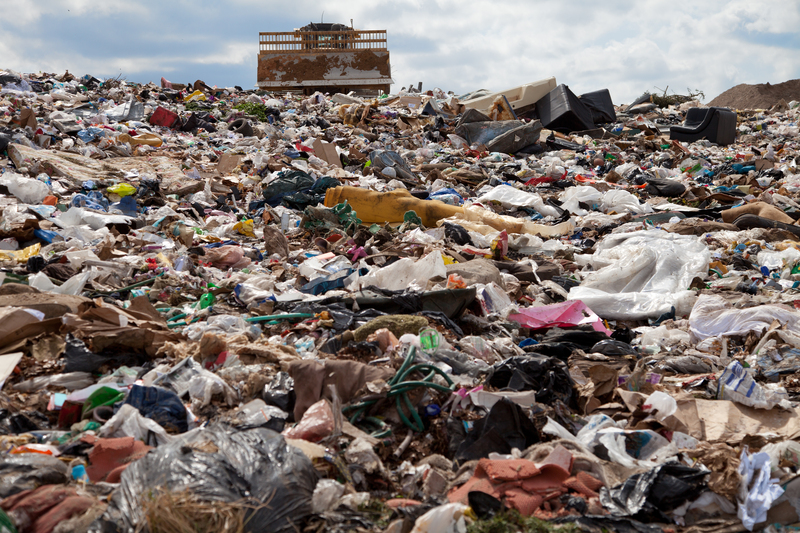
Municipal Solid Waste, or MSW, is composed of everyday items discarded by the public, such as packaging, non-hazardous household waste, and plastics. In the pursuit of renewable power, energy-from-waste plants convert MSW into energy.
- Incineration: Incinerating MSW can generate steam, which is then used to power turbines and produce electricity.
- Refuse-Derived Fuel (RDF): By processing and condensing non-recyclable MSW, RDF serves as a fuel for industrial applications, effectively reducing the reliance on fossil fuels.
3. Industrial Waste
Industries produce significant amounts of waste, much of which can be repurposed for energy production. This category includes chemical, paper mill, and electronic waste.
- Tire-Derived Fuel: The large accumulation of waste tires can be converted into energy through tire-derived fuel (TDF), which has a high calorific value.
- Sludge: Industrial processes often create sludge which can be treated using advanced digestion techniques to produce biogas.
4. Agricultural Residues
Agriculture produces vast amounts of biomass that can be converted into energy. Crops that are not used for food, such as corn stover and wheat straw, as well as animal manure, offer significant potential for energy production.
- Biogas: Agricultural residues are particularly suitable for anaerobic digestion, producing biogas for power generation.
- Bioethanol and Biodiesel: Certain residues can be used to produce liquid biofuels like ethanol and biodiesel, serving as alternatives to gasoline and diesel.
5. Construction and Demolition Waste
The construction industry generates copious amounts of waste, including wood, metal, and concrete. Some of this, especially wood and other organic materials, can be used for energy.
- Wood Waste: Timber from construction can be utilized in biomass energy plants or processed into pellets for heating.
- Recycled Materials: Metals and concrete, while not directly used for energy generation, can be recycled, reducing the overall energy consumption of manufacturing and hence contributing indirectly to renewable energy efforts.
The Environmental Benefits of Waste-to-Energy Conversion
Transitioning to renewable energy from waste not only reduces dependency on fossil fuels but also addresses various environmental concerns:
- Waste Reduction: By converting waste into energy, we significantly reduce landfill volumes.
- Emission Control: Modern waste-to-energy facilities are equipped with advanced filtration systems that drastically cut down on harmful emissions.
- Resource Conservation: Utilizing waste conserves natural resources, thereby promoting sustainable land use and conservation ideals.

Challenges and Future Prospects
Despite its promises, the waste-to-energy sector faces challenges such as high initial capital costs and public opposition due to concerns over emissions. However, with advances in clean technology and efficient waste sorting and processing, many of these obstacles are being progressively addressed.
Future innovations are likely to streamline processes, enhance efficiency, and lower costs, making waste-to-energy an even more viable component in the global renewable energy landscape.
Conclusion
The transformation of waste into renewable energy is a beacon of hope in combating waste management issues alongside satisfying growing energy demands sustainably. By leveraging various waste types--from organic to industrial--this approach not only supplements the already existing renewable energy sources but also plays a pivotal role in creating a cleaner and greener planet.
As technology advances and societies become more conscious of their environmental footprint, the potential for waste-to-energy solutions will only continue to grow, carving a resilient path toward a sustainable energy future.